
Colorado draws travelers chasing a specific combination that few states can match: high-altitude wilderness, ski-town sophistication, and a surprisingly varied hotel landscape that ranges from century-old historic properties in Telluride to riverside retreats near Rocky Mountain National Park. Whether you're planning a ski trip, a summer hiking escape, or a weekend casino getaway in the Rockies, knowing where to stay-and why-makes a real difference in the experience you'll get.
What It's Like Staying in Colorado
Colorado is one of the most geographically diverse states in the continental U.S., spanning flat eastern plains, the dramatic Rocky Mountain corridor, and arid mesa country in the west. Getting between cities often requires 2 to 3 hours of mountain driving, so where you base yourself matters far more than it would in a compact urban destination. Crowds follow a predictable double-peak pattern: ski season from December through March draws heavy resort traffic, while summer hiking and festival season-especially July and August-fills mountain towns like Telluride, Estes Park, and Crested Butte well in advance. Travelers who want both scenery and convenience benefit most from staying here, while those expecting walkable urban density may find Colorado's hotel landscape surprisingly spread out.
Elevation is a genuine logistical factor-many popular destinations sit above 8,000 feet, which affects sleep quality and physical exertion for the first day or two, especially for travelers arriving from sea level.
Pros:
- Exceptional access to Rocky Mountain scenery, skiing, and outdoor recreation year-round
- Wide range of accommodation types across distinct geographic zones-ski towns, canyon country, plains, and national park edges
- Most luxury properties offer mountain views, hot tubs, or nature access that urban hotels simply cannot replicate
Cons:
- Long driving distances between regions mean you cannot easily combine Telluride and Denver in a single short trip
- Altitude sickness is a real concern for travelers arriving from low-elevation states and can disrupt the first night
- Peak-season availability in mountain towns tightens dramatically, with top properties booking out weeks or months ahead
Why Choose Luxury Hotels in Colorado
Luxury hotels in Colorado don't follow the standard urban model of rooftop pools and concierge shopping services-they're built around the landscape. Expect properties where the premium is priced into the view, the mountain access, and amenities like hot tubs, fireplaces, and ski-in convenience rather than square footage alone. Rates at top-tier Colorado properties can run around 40% higher during ski season versus shoulder months, making strategic timing a genuine cost lever. Room sizes vary considerably-a historic Telluride property will offer tighter, character-rich rooms, while a resort suite in Estes Park may include a full kitchen and river-facing balcony. The trade-off is consistent: the closer you are to a ski lift or national park trailhead, the more you pay for what is often a modestly sized room with an outsized setting.
Casino-hotel combinations in Cripple Creek represent a distinct Colorado luxury niche-pairing gaming with mountain town access at rates that typically undercut Telluride and Vail equivalents significantly.
Pros:
- Most luxury Colorado hotels include outdoor-oriented perks-hot tubs, balconies, mountain views-that add tangible daily value
- Historic properties in towns like Telluride offer architectural character unavailable in modern resort chains
- Adults-only and boutique options in smaller cities like Pueblo and Green Mountain Falls provide a quieter, more personalized alternative to crowded ski resorts
Cons:
- Luxury pricing in ski towns does not always correspond to room size-historic buildings have structural limits
- Remote luxury properties require a rental car; public transport options outside Denver and Boulder are minimal
- Some high-rated properties are located in smaller towns where dining and nightlife options are limited to a handful of venues
Practical Booking & Area Strategy for Colorado
Colorado's geography divides naturally into zones that serve different traveler profiles. Telluride and the San Juan Mountains suit skiers and festival-goers but require a regional flight or a long drive from Denver-plan on at least 6 hours by car from Denver International Airport. Estes Park sits around 90 minutes from Denver and serves as the primary gateway to Rocky Mountain National Park, making it the most accessible mountain base for short-break travelers. Grand Junction anchors the western slope and is within easy reach of Colorado National Monument and wine country in Palisade, while Loveland and Castle Rock position you efficiently on the I-25 Front Range corridor between Denver and Colorado Springs. Book mountain-town properties at least 8 weeks ahead for peak ski or summer weekends-last-minute availability is rare and expensive. For Front Range cities like Loveland, Brighton, and Fort Lupton, advance booking matters less, but proximity to Denver International Airport-around 24 km from Brighton-makes these useful buffer stops before or after flights. Popular attractions worth planning around include Rocky Mountain National Park, Garden of the Gods, Great Sand Dunes National Park, Mesa Verde, and the historic mining town of Cripple Creek. Shoulder months-April, May, and October-offer the best balance of reasonable rates, lighter crowds, and road access before or after winter closures on mountain passes.
Best Value Luxury Stays
These properties deliver strong amenities, distinctive settings, and genuine comfort at rates that sit below the premium ski-resort tier-making them the most accessible entry points into Colorado luxury travel.
-
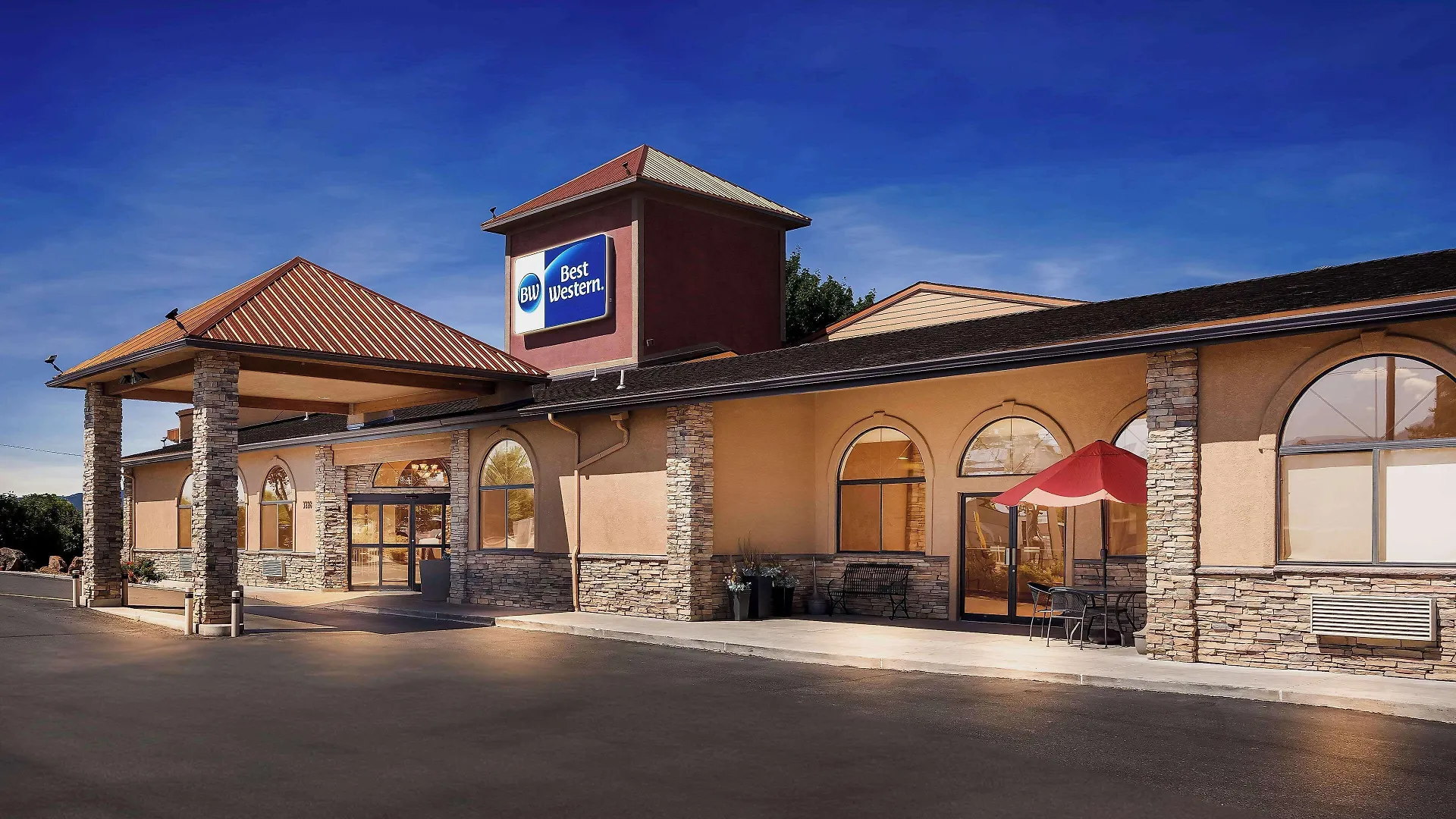
1. Best Western Grande River Inn & Suites
Show on map


 Check-infrom 15:00 until 23:59Check-outuntil 11:00
Just a few rooms left at the best rate!
fromUS$ 179
-
2. Comfort Suites Loveland
Show on map


 Check-infrom 15:00 until 23:59Check-outuntil 11:00
Hurry – almost gone at this price!
fromUS$ 106
-
3. Comfort Inn Limon
Show on map


 Check-infrom 15:00 until 23:59Check-outuntil 11:00
Rooms filling fast – secure the best rate!
fromUS$ 71
-
4. Econo Lodge Fort Lupton
Show on map


 Check-infrom 15:00 until 23:59Check-outuntil 11:00
Rooms filling fast – secure the best rate!
fromUS$ 85
-
5. Motel 6 Brighton Co Denver Northeast
Show on map


 Check-infrom 15:00 until 23:59Check-outuntil 11:00
Rooms filling fast – secure the best rate!
fromUS$ 84
-
6. Comfort Suites Castle Rock - Denver South
Show on map


 Check-infrom 15:00 until 23:59Check-outuntil 11:00
Hurry – almost gone at this price!
fromUS$ 83
-
7. Dunes Inn Alamosa
Show on map


 Check-infrom 15:00 until 22:00Check-outuntil 11:00
Hurry – almost gone at this price!
fromUS$ 102
Best Premium Luxury Stays
These properties occupy the upper tier of Colorado's hotel landscape-offering distinctive architecture, elevated settings, or amenities that justify their higher positioning for travelers prioritizing experience over cost efficiency.
-
8. New Sheridan Hotel
Show on map


 Check-infrom 16:00 until 23:59Check-outuntil 11:00
Just a few rooms left at the best rate!
fromUS$ 288
-
9. The Abriendo Inn
Show on map


 Check-infrom 15:00 until 18:00Check-outfrom 08:00 until 10:00
Just a few rooms left at the best rate!
fromUS$ 209
-
10. Woodlands On Fall River
Show on map


 Check-infrom 15:00 until 23:59Check-outuntil 10:00
Hurry – almost gone at this price!
fromUS$ 120
-
11. Century Casino & Hotel Cripple Creek
Show on map


 Check-infrom 17:00 until 23:59Check-outuntil 11:00
Best price guarantee
fromUS$ 89
-
12. The Outlook Lodge
Show on map


 Check-infrom 15:00 until 23:59Check-outfrom 04:00 until 10:00
Just a few rooms left at the best rate!
fromUS$ 191
Smart Travel & Timing Advice for Colorado
Colorado's travel calendar is unusually polarized: ski season from December through March drives peak pricing in mountain towns like Telluride and Estes Park, while summer-particularly July and August-creates a second price peak driven by national park visitors and outdoor festival crowds. Booking mountain properties at least 8 weeks ahead during either peak window is not optional if you want a specific property-it's a realistic necessity. Front Range corridor hotels in Loveland, Castle Rock, Brighton, and Fort Lupton follow Denver's rhythm more than the mountains' and offer more last-minute flexibility year-round. April, May, and October represent the most tactically sound windows for mountain travel: rates drop, crowds thin, and road access on most passes remains open. Shoulder-season rates can run around 30% lower than peak-season equivalents at the same property. For Estes Park and Rocky Mountain National Park, a timed-entry permit system has been in place during summer peak periods-book accommodation first, then secure your park entry permit separately. A stay of at least 3 nights in any single Colorado region makes the most geographic sense given drive times between destinations; single-night stays often lose half their value to transit and altitude adjustment.


